
2026-10-18 ·
Do you need a permit to install a water heater?
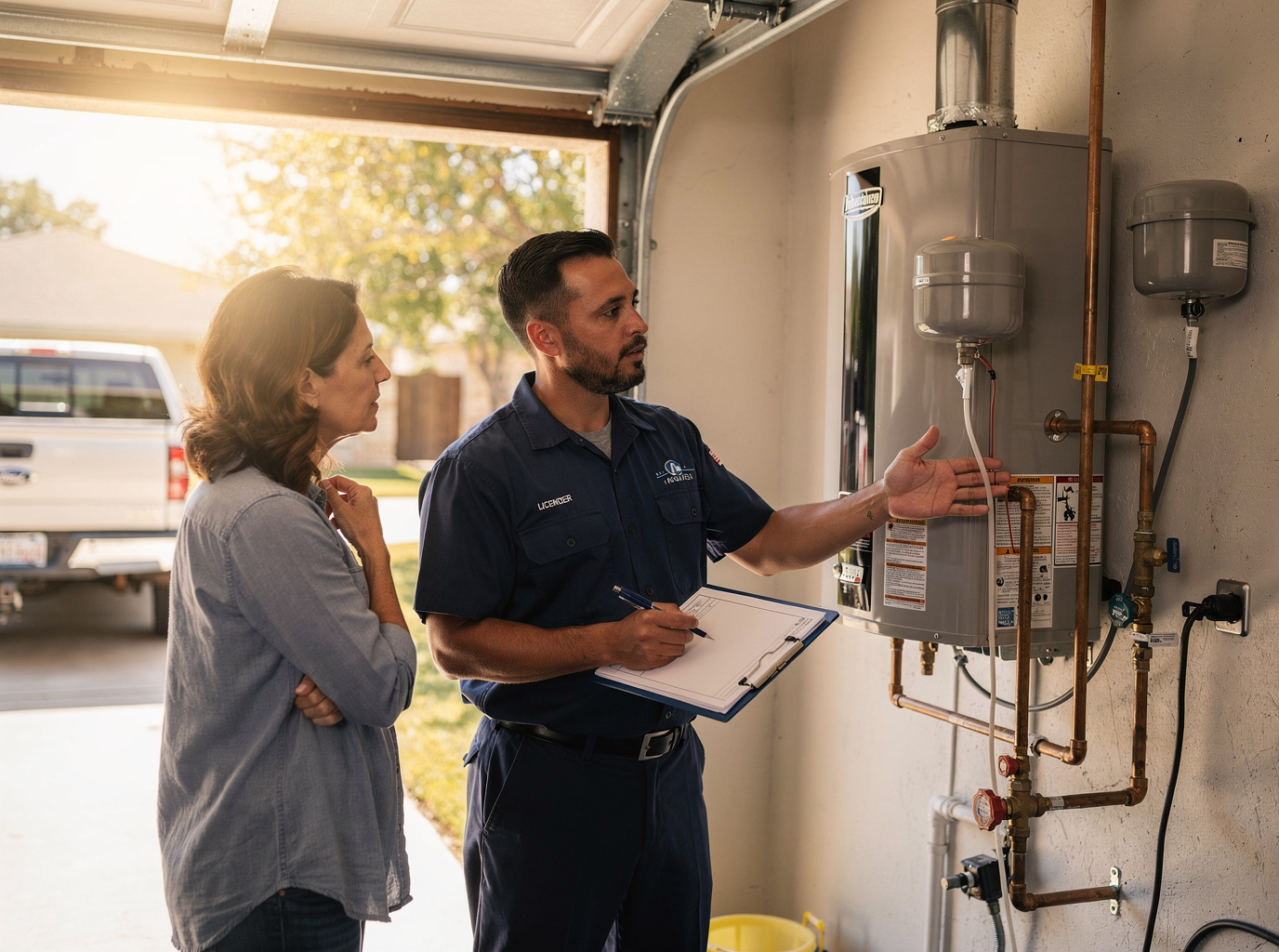
In Austin and throughout Travis County, yes, a permit is almost always required for a water heater replacement or new installation to ensure compliance with local safety codes. While it might seem like a simple swap of a 40-gallon tank, the City of Austin and surrounding municipalities like Pflugerville and Round Rock view water heater work as a significant plumbing modification. This is because modern installations involve more than just connecting pipes; they require adherence to specific venting, gas piping, and electrical grounding standards designed to protect your home from fire, carbon monoxide leaks, and water damage. Attempting to bypass the permitting process can lead to significant headaches down the road, especially if you ever decide to sell your home, as inspectors will flag unpermitted work immediately.
Why Austin Requires Permits for Water Heaters
The primary driver behind the permitting process in our region is safety, particularly given the unique housing stock found in neighborhoods like Hyde Park, Clarksville, and Barton Hills. Many of these older homes feature outdated plumbing configurations that do not meet current mechanical codes. When you initiate a Water Heater Replacement, the permit process triggers an inspection that verifies your new unit is properly vented, has the correct expansion tank installed, and that gas lines are properly sized and pressure-tested. Our hot, humid summers in Central Texas can also accelerate the corrosion of components if the installation isn't sealed correctly, making the inspection a vital safeguard against premature equipment failure. Whether you are in a historic bungalow near the Texas State Capitol or a newer build in Mueller, the code requirements are designed to account for these environmental factors.
What the Permitting Process Actually Involves
Obtaining a permit typically involves submitting a request to the local building department or having a licensed professional file it on your behalf. The process is not just about paying a fee; it is about establishing a record that the work was performed by someone who understands the local requirements for seismic bracing, which is becoming more common in building codes, and proper discharge piping for the temperature and pressure relief valve. If you are considering a major upgrade, such as moving from a traditional tank to a high-efficiency system, understanding the Tankless Water Heater Replacement Cost: Is the Switch Worth It? is essential, as these units often require significant gas line upgrades or electrical modifications that absolutely demand a permit and professional oversight.
The Dangers of Skipping the Permit
Homeowners sometimes ask if they can skip the permit to save a few hundred dollars on the upfront cost. This is a risky gamble. In the event of a water heater failure that results in flooding—which can be catastrophic if the unit is located in an attic or a finished closet—your homeowner's insurance policy may deny the claim if they discover the work was unpermitted. Furthermore, if you are living in areas like Westlake or South Congress where property values are high, unpermitted plumbing work can drastically reduce your home's marketability. Future buyers or their inspectors will notice if the T&P valve discharge pipe isn't routed properly or if the venting doesn't meet current standards, and they will likely demand that the work be brought up to code at your expense before the sale can close.
How Climate and Local Conditions Affect Your Installation
Living in Travis County means dealing with hard water, which is a major factor in the lifespan of your unit. Mineral buildup from our groundwater can clog heating elements and coat the inside of tanks, leading to inefficiency and potential leaks. When we perform a Water Heater Repair or a full replacement, we often see the damage caused by these deposits. If you are interested in mitigating this, we have provided guidance on How to Extend Your Water Heater's Life in Hard-Water Areas to help you get the most out of your investment. Because of these harsh conditions, professional installation is not just about meeting the permit requirements; it is about ensuring the unit is set up correctly for the specific water chemistry of the Austin area, which can significantly impact how long your heater lasts.
Working with Local Professionals
Navigating the permit office can be time-consuming, which is why most homeowners choose to hire licensed professionals who handle the paperwork as part of the job. A qualified installer knows the specific nuances of the Austin building code, including the requirements for drip pans, proper venting clearances near Lady Bird Lake or Zilker Park, and the specific electrical bonding needed for modern homes. We operate Monday through Friday from 8:00 AM to 6:00 PM and on Saturdays from 9:00 AM to 2:00 PM to assist you with these needs. Remember that a permit is a tool for your protection, ensuring that the work done in your home is safe, reliable, and compliant with the laws that govern our region. Don't settle for shortcuts; ensure your water heater installation is done right the first time.