
2026-10-18 ·
How long does it take to install a water heater?
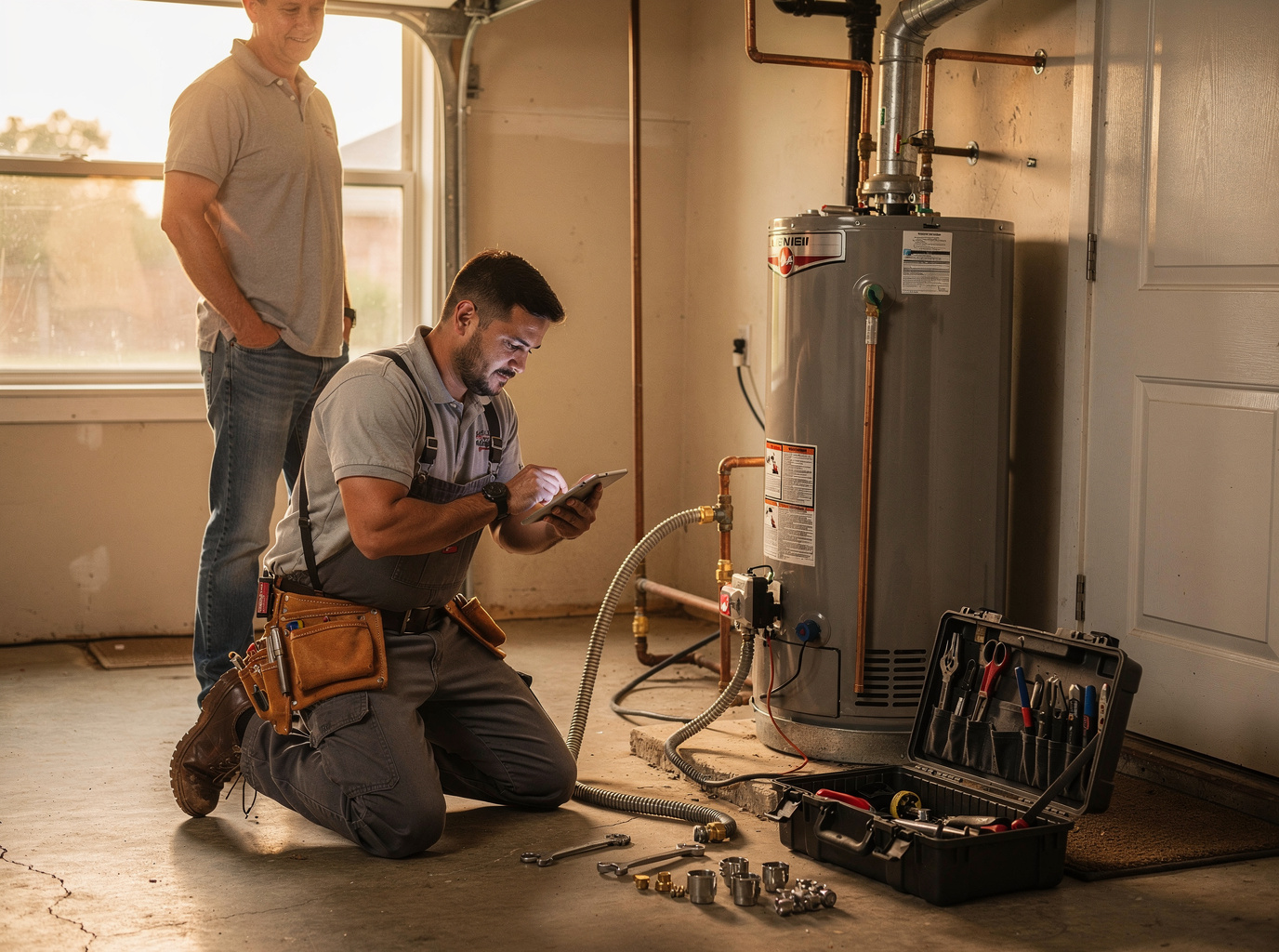
A standard water heater replacement typically takes between 3 to 5 hours, though specific site conditions in older Austin homes can influence this timeline. If you are swapping out a like-for-like unit—such as replacing a 40-gallon gas unit with a similar model in a garage or utility closet—the process is fairly streamlined. However, variables like code compliance upgrades, relocation of the unit, or switching from electric to gas can extend that window significantly. Because we operate across Travis County, we see everything from modern builds in Mueller to historic renovations in Hyde Park, and each environment presents unique challenges that impact the clock.
Understanding the Factors That Influence Installation Time
The physical location of your unit is the single biggest factor in how long the job takes. In neighborhoods like Westlake or Barton Hills, we often find water heaters tucked into tight attics or cramped closets that require significant maneuvering to access. If your unit is located in a hard-to-reach crawl space or requires us to navigate narrow stairwells, the physical removal of the old tank and the positioning of the new one can add 1 to 2 hours to the project. Furthermore, if your home’s plumbing setup is outdated, we may need to bring your connections up to current standards. This often includes installing new shut-off valves, expansion tanks, or flexible gas connectors, which ensures your Water Heater Replacement meets all safety requirements.
Tankless vs. Traditional Tank Installations
The technology you choose dictates the installation schedule. A traditional tank-style unit is a straightforward disconnect and swap. In contrast, a Tankless Water Heater Installation is a more involved process. Because tankless units require different venting, gas line sizing, and electrical configurations, these installations often take a full day, usually ranging from 6 to 8 hours. We have to ensure the gas supply is sufficient to handle the high BTU output of a tankless system, which sometimes means upgrading your gas piping. For homeowners in older areas like Clarksville or Travis Heights, where gas lines might be undersized for modern high-efficiency equipment, this preparatory work is critical to ensure the system functions correctly.
The Impact of Local Austin Infrastructure
Austin’s unique infrastructure affects how we approach water heater work. The hard water common throughout the region often leads to significant sediment buildup in tanks, making them heavier and more difficult to drain before removal. If we are dealing with a heavily calcified unit in South Congress or Downtown, we often need extra time to flush the system before we can safely disconnect it. Additionally, if you are deciding whether to repair or replace, it is worth reading our guide on Repair or Replace? How to Decide When Your Water Heater Fails to understand if your current issues are just age-related wear or something that could be fixed with a simple Water Heater Repair.
Preparation and Scheduling
To keep your installation on track, we recommend clearing a path to the water heater before our team arrives. Whether you are in a newer development in Pflugerville or a classic home near the University of Texas Tower, having a clear workspace allows our technicians to focus entirely on the plumbing. We operate Mon–Fri: 8:00 AM – 6:00 PM and Sat: 9:00 AM – 2:00 PM to accommodate your schedule. If you are concerned about how the local water quality might affect your new investment, we also suggest reviewing How to Extend Your Water Heater's Life in Hard-Water Areas. Proper maintenance is the best way to ensure that once the installation is complete, your unit provides reliable hot water for years to come, regardless of the seasonal fluctuations we see between our hot, humid summers and our mild winters.