
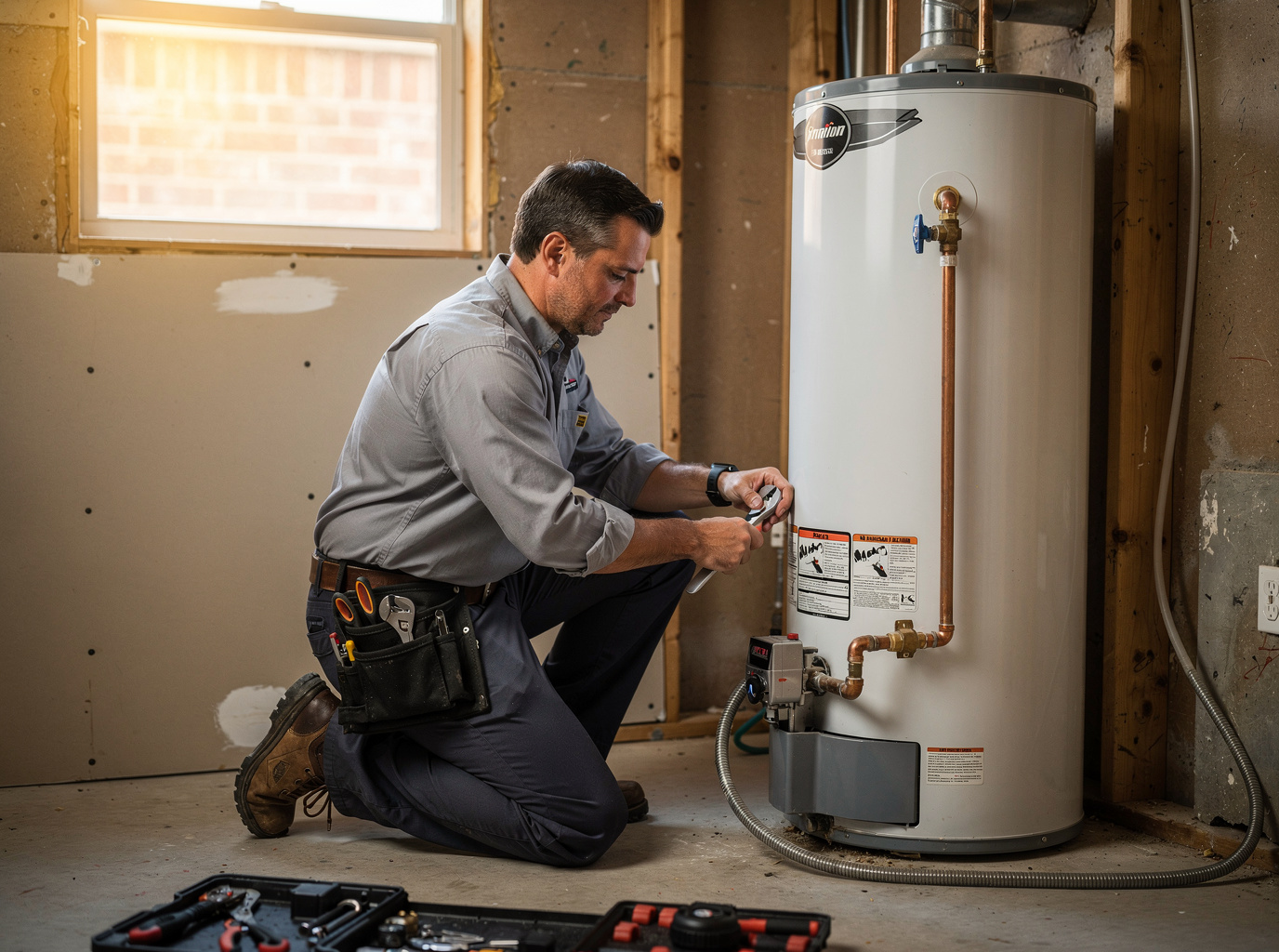
Replacing a water heater in Austin requires more than just swapping out a tank; it demands an understanding of our specific regional challenges. Whether you are living in a historic bungalow in Hyde Park or a modern build in Mueller, the plumbing infrastructure varies significantly. Older homes in areas like Clarksville often have outdated venting or undersized gas lines that cannot support modern, high-efficiency units without modification. We focus on ensuring that every installation meets current safety codes, which is critical when dealing with the limestone-heavy water supply found throughout Travis County. Sediment buildup is a common issue here, and we tailor our installation approach to mitigate these local water conditions, ensuring your new unit lasts longer than the last one.
Our installation process accounts for the unique climate demands of Central Texas. We experience hot, humid summers that put extra strain on HVAC and plumbing systems, and mild winters where a sudden cold snap can expose poorly insulated pipes. When we install a new water heater, we don't just bolt it in; we check the expansion tank pressure, verify proper venting for gas units to prevent carbon monoxide buildup, and ensure the electrical connections are secure and up to code. From the hilly terrain of Westlake to the flatlands near Pflugerville, we understand how property elevation and water pressure variations affect your system's performance and longevity, providing you with a setup that handles the Austin climate reliably.
Choosing the right unit involves balancing household demand with the physical constraints of your utility closet or garage. Many homeowners in neighborhoods like South Congress or Barton Hills are limited by space, making tankless water heaters an attractive option for saving square footage. However, moving from a standard tank to a tankless system often requires upgrading your gas line size or electrical panel capacity. We guide you through these transitions, explaining the trade-offs between recovery rates and energy efficiency. By focusing on quality piping, proper grounding, and correct thermal expansion control, we provide an installation that integrates seamlessly into your home’s existing plumbing, preventing the common leaks and pressure issues that plague amateur installs.
Technician insight
In Austin, the thing that catches most people out with water heater installation is the hardness of our water. We have a high mineral content in the limestone-heavy Edwards Aquifer, which kills standard elements and tanks faster than in other parts of the country. If you don't install a sediment filter or plan for regular flushing during the setup, you're just setting yourself up for another replacement in five years instead of ten.
Upgrading a Historic Home in Hyde Park
A homeowner in a 1930s Hyde Park bungalow needed a replacement for a leaking tank that was tucked into a cramped, non-standard closet. We found the original gas venting was severely corroded and didn't meet modern safety standards. We replaced the venting, updated the gas shut-off valve, and installed a compact, high-efficiency unit that fit the tight space, resulting in a safer, more reliable hot water supply.
Water Heater Installation Services We Offer
✓Standard Tank Water Heater Installation
Reliable installation of traditional gas or electric tank units, perfect for replacing existing systems in most Austin homes.
✓Tankless Water Heater Conversion
Upgrade to high-efficiency on-demand heating, ideal for saving space in smaller homes throughout Downtown and Zilker.
✓High-Efficiency Hybrid Heat Pump Installation
Install energy-sipping hybrid units that utilize ambient heat, a great choice for the humid conditions in Travis County.
✓Commercial Water Heater Replacement
Heavy-duty installation solutions for businesses, from East Austin cafes to large facilities near the University of Texas.
✓Gas Line and Venting Upgrades
Necessary plumbing modifications to ensure your new heater meets safety codes for gas supply and exhaust ventilation.
Water Heater Installation Cost in Texas
| Service | Typical Range | What Affects It |
|---|---|---|
| Standard Tank Replacement | $1,200–$2,500 | Depends on unit capacity, fuel type, and venting requirements. |
| Tankless Installation | $2,500–$5,000+ | Price varies based on gas line upgrades and electrical requirements. |
| Plumbing & Code Upgrades | $300–$800 | Additional cost if existing piping or venting is not up to code. |
Ranges are typical for Texas and confirmed with an exact written quote before any work starts.
How it works
- 1
Site Assessment
We inspect your current setup, checking for code compliance, space constraints, and existing gas or electrical capacity.
- 2
Unit Selection
We help you select a unit that matches your household's hot water demand, considering energy efficiency and local space limits.
- 3
Removal and Prep
We safely drain and remove the old unit, hauling it away while prepping the area for the new installation.
- 4
Installation and Testing
We install the new unit, secure all connections, and perform a full pressure and safety test before leaving your property.
Pricing
We provide upfront, transparent pricing before any work begins, so you know exactly what the installation will cost without hidden fees.